Do You Like Ice Cream? Then You Will Love Gelato!
For too long, the humble tub of ice cream has dominated the freezer aisle, but there’s a quiet, velvety revolution taking place, led by Italy’s magnificent gift to the world: gelato. More than just the Italian word for ice cream, gelato is a distinct, artisanal dessert whose unique composition and preparation elevate it from a simple frozen treat to a luxurious, palate-pleasing culinary experience.
The superiority of gelato isn’t a matter of preference; it’s a matter of science, tradition, and technique. Once you understand the fundamental differences between these two frozen delights, you’ll see why the denser, silkier, and intensely flavored Italian champion wins the frozen dessert crown every time.
Less Fat, More Flavor: The Ingredient Difference
 The most crucial difference lies in the ingredients. Traditional ice cream is heavily reliant on cream, often containing 14% to 25% butterfat (with a required minimum of 10% in the US). This high-fat content, while contributing to richness, actually coats your taste buds, subtly muting the core flavors.
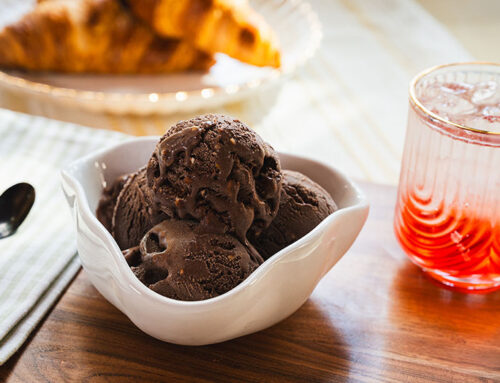
Gelato, however, uses a higher proportion of milk to cream, resulting in a significantly lower fat content, typically ranging from 4% to 9%. With less fat to interfere, the true, natural flavors—be it rich dark chocolate, bright pistachio, or intense hazelnut—are allowed to explode across your palate with a clarity and intensity that ice cream simply can’t match.
The Density Advantage: Less Air, Deeper Pleasure
If you’ve ever wondered why gelato feels so satisfyingly dense, the answer is air. Ice cream is churned rapidly, incorporating a significant amount of air – sometimes up to 50% of its total volume – which gives it a light, fluffy, and sometimes ‘airy’ texture. This added air, known as overrun, essentially means you’re paying for a product that is half-fluff.
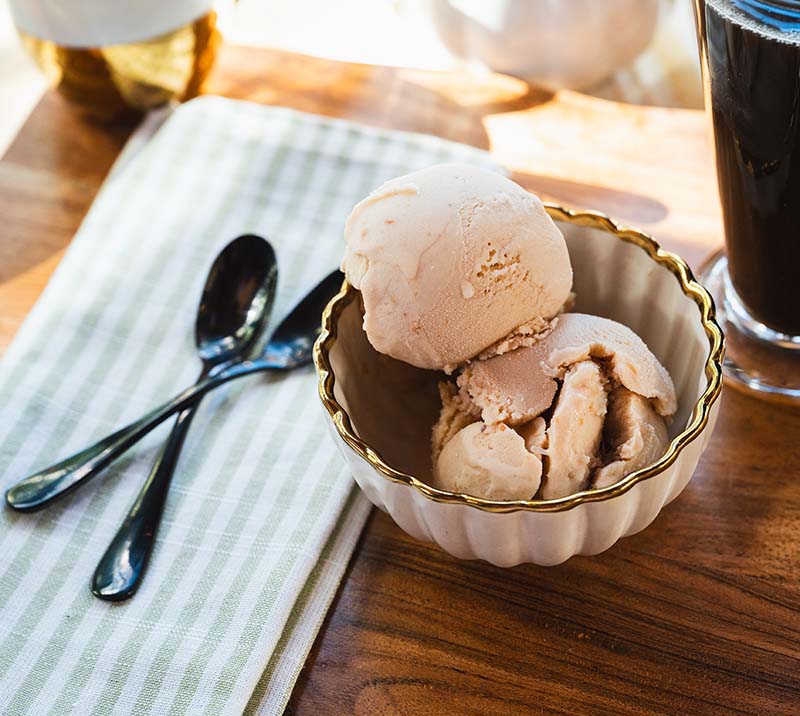
Gelato is churned at a much slower speed, which minimizes air incorporation to a maximum of about 20-30%. This slow, deliberate process is the secret to its signature texture. The result is a denser, more substantial dessert that delivers more flavor with every spoonful, making it a richer and more decadent experience.
The Perfect Temperature for Taste
This difference is subtle but vital to the overall experience. Ice cream is served at a very cold temperature, typically between 0°F and 6°F, to keep its high-fat, high-air structure firm. This extreme coldness, however, has an unfortunate side effect: it numbs your taste buds.
Gelato is served at a notably warmer temperature, typically in the range of 8°F to 22°F. This slightly warmer serving temperature is key to unlocking its full potential. It ensures the gelato is softer and silkier, melting immediately and luxuriously on your tongue, while keeping your taste buds receptive to the full, intense spectrum of its flavor. You get all the pleasure without the brain freeze.
The Verdict: A Refined Indulgence
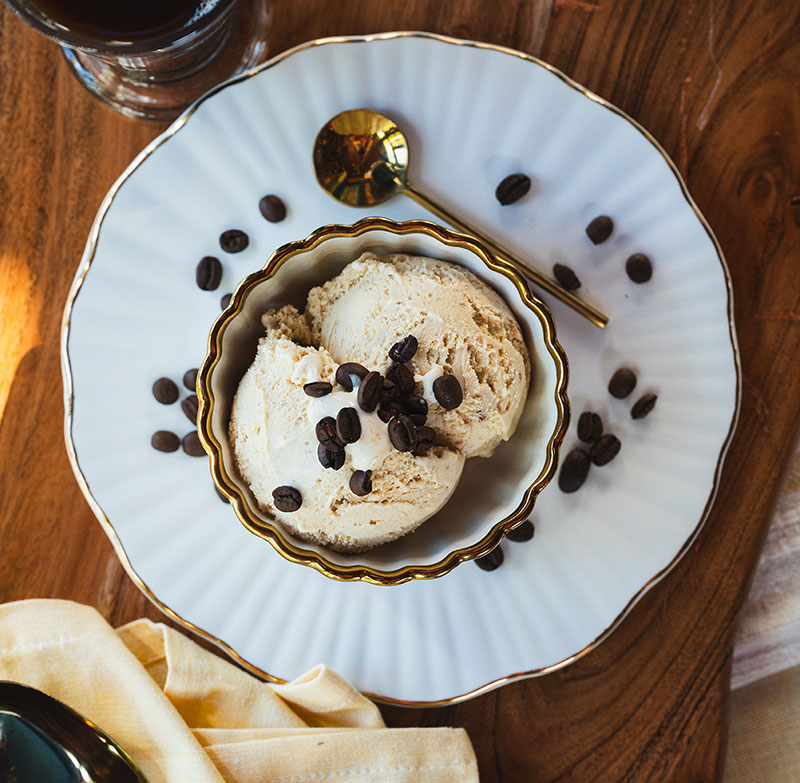 From its use of more milk to its slower churn and warmer serving temperature, every step in the gelato-making process is a deliberate choice to maximize flavor intensity and achieve that renowned, velvety-smooth texture. Gelato isn’t just a dessert; it’s a centuries-old culinary craft that prioritizes high-quality, natural ingredients and a refined mouthfeel.
While ice cream is a classic, refreshing treat, gelato is a sophisticated indulgence—a bite of pure, unadulterated flavor that truly deserves its place as the superior frozen delight.