Why Gelato Reigns Supreme Over Ice Cream
For too long, ice cream has hogged the spotlight. It’s the ubiquitous champion of frozen desserts, a familiar comfort in cones and tubs across the globe. But I’m here to tell you that there is a superior frozen treat, one that offers a richer, more intense, and profoundly more satisfying experience: gelato.
 Gelato, the Italian masterpiece, isn’t just a fancy name for ice cream. It is an entirely different beast, crafted with a dedication to flavor and texture that elevates it far beyond its dairy counterpart. If you truly appreciate dessert, it’s time to move past the freezer aisle staple and embrace the dense, silky magic of authentic gelato.
The Science of Supreme Texture
The most immediate and striking difference between the two is the texture, which is governed by two key factors: fat and air.
Lower Fat Content: The Clean Flavor Catalyst
Ice cream, by USDA definition, must contain at least 10% butterfat, and premium brands often push that number to 16% or even higher. Gelato, on the other hand, is traditionally made with more milk and less cream, resulting in a significantly lower fat content, often hovering between 4% and 9%.
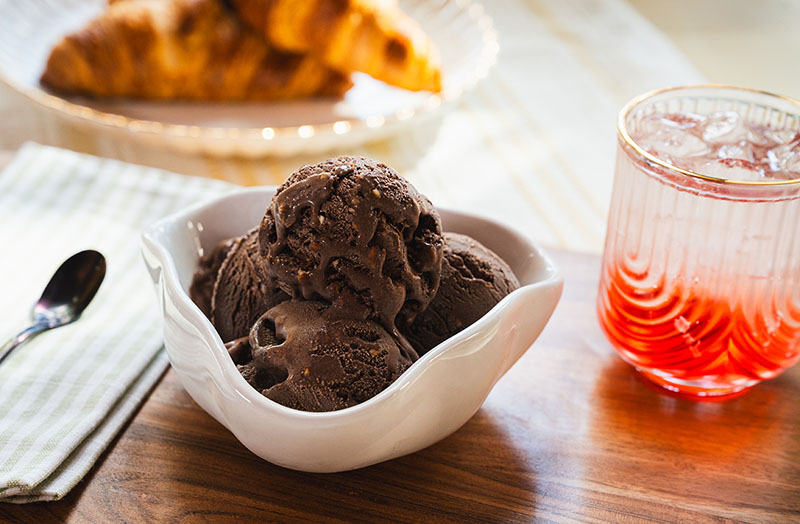
Why does this matter? Fat coats the tongue, dulling the taste buds. By reducing the fat, gelato allows the true, vibrant flavor of its main ingredients—be it intense dark chocolate, fresh pistachios, or ripe strawberries—to come through with astonishing clarity. Every spoonful is a clean, sharp burst of flavor, unlike the heavy, sometimes cloying richness of high-fat ice cream.
Less Air, More Density: The Defining Characteristic
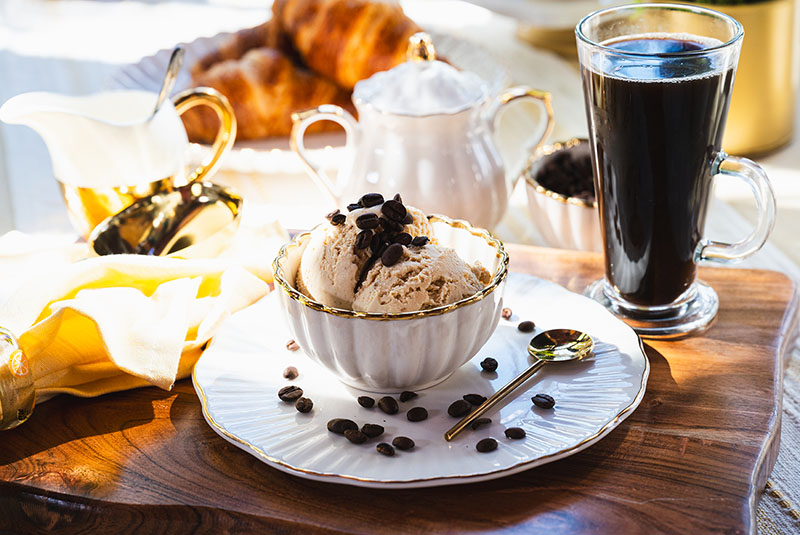 The most crucial difference lies in the overrun—the amount of air incorporated during churning. Ice cream is churned quickly and vigorously, often incorporating 25% to 50% air (and sometimes over 100% in cheaper brands) to increase its volume and make it easier to scoop.
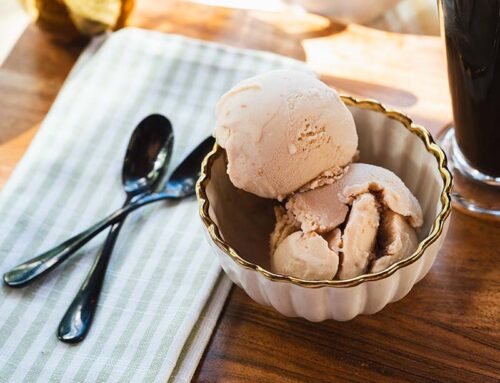
Gelato is churned at a much slower speed. This deliberate, slow process incorporates very little air, resulting in a dense, velvety product that has only 20% to 35% overrun. This low air content is why gelato feels so substantial and rich; you are getting more actual dessert per scoop, and the texture is astonishingly smooth, without the icy resistance of standard ice cream.
Served Warmer for Maximum Taste
Gelato is stored and served at a slightly warmer temperature than ice cream, typically around 8°F to 22°F, as opposed to ice cream’s 0°F and 6°F.
This seemingly small difference is actually a game-changer. When food is too cold, the taste receptors on your tongue are partially numbed. By serving it warmer, gelato remains softer and melts more slowly on your palate, allowing the carefully balanced, intense flavors to bloom fully on your tongue. It’s a sensory experience designed to be savored, not just devoured.
The Artisan Touch: Focus on Freshness
While ice cream production often leans heavily on standardization and mass quantities, gelato remains an artisan craft. The focus is always on fresh, high-quality ingredients. Authentic gelaterias pride themselves on using whole milk, fresh fruits, and high-grade nuts, crafting small batches daily to ensure the peak of freshness and flavor complexity.
Ultimately, the choice between ice cream and gelato is a choice between good and great. Ice cream is a dependable, fluffy, and sweet dessert. Gelato, however, is a sensory indulgence—denser, richer in flavor, and smoother on the tongue. It represents a commitment to the craft of dessert-making that simply cannot be matched by its mass-produced counterpart.
If you haven’t yet experienced the profound satisfaction of authentic, slow-churned gelato, it’s time to seek it out. Your taste buds will thank you for making the switch to the true monarch of the frozen dessert world.